

Frameless glass balustrades are the cleanest way to protect an edge without blocking a view. Instead of posts and rails, the glass itself does the work, rising from a slim base or fixing bracket so light flows through and spaces feel larger. Homeowners love the look on roof terraces and internal stair voids; architects rely on the calm lines to keep façades and interiors uncluttered. The question that follows is sensible and common: are frameless glass balustrades safe? The short answer is yes when they use the right glass, the right fixings, and are installed to the standards the UK sets for barriers. This guide explains what the system is, why it works, which features make it secure, what the rules expect, and how it compares to traditional post-and-rail designs.
A frameless glass balustrade is a glass barrier without visible posts. Most residential systems use toughened-laminated safety glass set into a strong aluminium base channel that is fixed to structure, or they use secure side-fixing brackets mounted to the edge of a slab or stringer. From above, you see a clear edge with minimal capping; from below, you see slim metal details doing the heavy lifting. The glass thickness, interlayers and supports are all chosen to suit span, location and exposure so the finished run feels calm under a hand, even when people gather at the edge.
Indoors, frameless panes keep stairs open and landings bright. On balconies and roof terraces, they protect a drop while keeping views to the garden or skyline. Because the glass itself forms the barrier, the make-up is different from ordinary window glass. The panes are engineered to take a line load at the top edge and to remain in place even if one layer is damaged. That “stay put” behaviour is what separates a proper balustrade from decorative glazing.
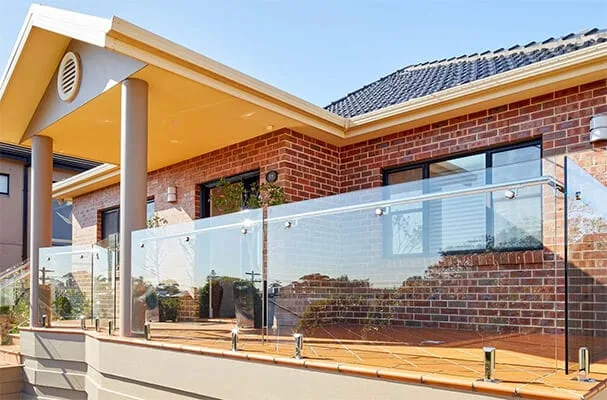
When you choose a quality system and fit it correctly, frameless glass balustrades are safe for homes and commercial settings. Safety comes from three places working together. The glass is a laminated build, so the interlayer holds fragments if a ply ever cracks. The base channel or side brackets connect those panes to genuine structure concrete, structural steel, or engineered timber with fixings that are sized and spaced to carry the design loads. The whole assembly is designed around the UK’s barrier rules for height, strength and openings, so children cannot squeeze through and users feel proper resistance when they lean.
Many people equate “frameless” with “flexible” and assume it will wobble. A well-sized channel with the correct wedge system and a properly supported substrate feels solid to the touch, because the glass acts like a cantilever fixed at its base. The movement you notice is controlled and small, and stays within serviceability limits set by the manufacturer’s test data. If you have only experienced improvised, under-spec details, the first encounter with a tested system is often a surprise: it looks delicate and feels reassuring.
Frameless panels are not a single sheet. They are two or more plies bonded with a clear interlayer—commonly PVB for typical domestic runs, or a stiffer ionoplast interlayer where deflection must be tightly controlled or the edge is very exposed. The outer surfaces are toughened for strength and thermal shock resistance; the lamination then gives the barrier post-breakage integrity. If a ply is chipped by impact or stressed by sudden temperature change, the interlayer holds the fragments in place so the barrier remains intact while a replacement is arranged. That behaviour is the core of frameless safety: the barrier keeps doing its job even after damage, rather than falling away at the moment you need it.
Because the glass edge sits close to weather outdoors, edge quality and protection matter. A neat arris, clean handling and keeping standing water away from edges preserve clarity for the long term. Indoors, laminated inner plies make balustrades quieter and feel warmer to the hand, because the interior surface temperature stays a little higher on cold days.
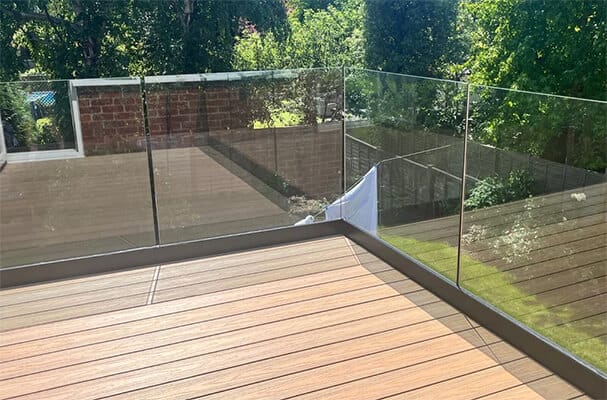
Most frameless work uses an aluminium base channel set on the slab or parapet. This is not a generic extrusion chosen by looks; it is a tested profile with a defined glass thickness, wedge geometry and fixing pattern. The channel does two jobs at once. It clamps the glass along a precise length so the pane behaves like a cantilever, and it transfers the line load to structure through anchors set at the correct edge distances and centres. Good systems are “dry-glaze”: the installer tensions wedges to align and secure the pane, which keeps silicone away from the structural interface and allows easier glass replacement in future.
The channel must speak to real structure. Resin anchors into sound concrete behave very differently from screws into soft packers. On roof edges, the waterproofing detail laps cleanly with the channel so water cannot sit where it will shorten the life of gaskets. Indoors, an allowance for finished floor levels keeps the base trim neat and the glass plumb. When those quiet details are right, users feel only a steady, solid pushback at the top edge.
Some frameless balustrades finish with a slim top cap that protects the exposed glass edge and provides a comfortable, grippy touch point. While the cap is not a handrail in the structural sense, it improves day-to-day safety. The rounded profile guides the hand, reduces the chance of slips in rain, and shields the laminate edge from knocks during use. On roof terraces and external stairs, a textured or micro-ribbed cap keeps hands confident in wet weather without adding visual bulk to the line of glass. Where a true handrail is desired, a low-profile cap rail bonded to the top edge can tie panes together and add a secondary layer of robustness without turning the design into a post-and-rail system.
Where a base channel is not practicalon narrow slabs or where the finished floor must run tight to the edge side-fixing brackets secure each pane through slotted holes or clamping plates on the face of the structure. Proper brackets are thick, machined components in stainless steel or aluminium, with backing plates that spread load and isolation pads that prevent bimetallic reactions. The bracket positions and anchor types are set by test data; guessing at spacings or using undersized fixings is how site problems begin. When side-fixing is done to the maker’s pattern, the result is as strong and as calm under hand as a channel-set run, and the top edge reads just as clean.
read more: Best Glass Types for Balustrades
UK rules do not leave barrier safety to chance. Two documents set the tone for homes and most workplaces. Approved Document K to the Building Regulations covers protection from falling, collision and impact. It requires minimum finished heights typically 1,100 mm for balconies and external edges, and 900 mm for internal stairs and landings and it controls openings so a 100 mm sphere cannot pass anywhere a child might reach. BS 6180 provides the more detailed design guidance for barriers, including how to consider line loads at the top edge, uniformly distributed loads on the glass and point impacts. Together they shape decisions about glass thickness, interlayers, channel type and fixing centres, and they also inform where a continuous handrail is needed and when laminated glass alone provides sufficient post-breakage security.
Compliance is not just a product choice; it is an installation act. The same tested pane can pass or fail on site depending on edge distances to anchors, substrate strength, and whether the channel bears onto packers as the manufacturer intended. Good installers supply drawings, identify the load class for the location and show calculations or test data that match the proposal. For householders, a simple way to check is to ask for the system name, the glass make-up, the declared load class and confirmation of heights. If those answers arrive clearly and match what you see going in, you are in safe hands.
A well-designed post-and-rail balustrade spreads load through vertical posts and a continuous rail, and it can perform to the same load classes as a frameless system. The difference you live with is not raw safety—both can meet the standard but how they achieve it and how they behave when something goes wrong. In a post system (post system – round or post system – square), if a pane breaks the handrail and adjacent posts tend to bridge the gap, buying time until a replacement arrives. In a frameless system, the laminated glass is the bridge; the interlayer keeps fragments in place and the opening remains closed. Both routes are legitimate.
Where frameless often edges ahead is everyday use. There is no climbable mid-rail, no horizontal lines for children to step on, and no posts to loosen with time. Glass edges are protected, drainage is easier to manage at the base, and cleaning is simple because there are fewer parts. From a safety perception point of view, the calm appearance encourages users to lean rather than climb, which reduces the risky behaviour you sometimes see on busy terraces. For very high crowd loads in public spaces, designers may still prefer the redundancy of a handrail tying panes and posts together, but for most homes and light-commercial terraces, a tested frameless system is a safe, elegant choice.
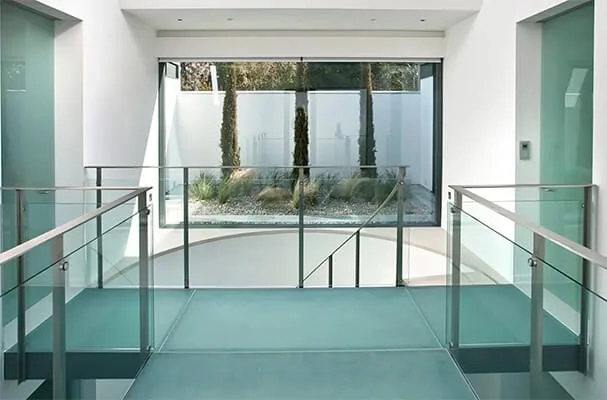
The first benefit is uninterrupted visibility. On roof terraces and garden balconies, that means a better view and a stronger connection between inside and outside. On internal stairs and landings, it means more daylight, clearer sightlines and a sense of space that would be lost behind spindles or solid balustrades. The second benefit is calm maintenance. With fewer components, there is less to clean and less to loosen. A seasonal wash and a quick check of channel weeps or bracket covers is usually enough.
Comfort improves as well. A laminated inner ply lifts the interior surface temperature in winter so the glass feels warmer to the touch, and it cuts rain noise outdoors and household sound indoors. Privacy is easy to achieve where needed with a satin or patterned interlayer, and you can add a gentle tint without darkening the room. From a durability standpoint, modern aluminium channels with high-quality finishes and stainless fixings resist weather for decades, and dry-glaze designs make individual pane replacement far simpler than people expect.
There is also a planning and resale angle. Frameless lines tend to sit quietly in conservation settings and behind parapets, which helps with approvals. When it comes time to sell, photographs of bright, open interiors and clean terrace edges add value in a way that heavy rails rarely manage.
If you take one message away, let it be this: frameless glass balustrades are safe when they are specified and installed as a tested system. Laminated safety glass provides the fail-safe you need. Strong aluminium base channels or secure side-fixing brackets transfer load into true structure. Thoughtful details anti-slip top caps, neat edge protection, clear drainage at the base make the barrier easier to live with through British weather. The UK’s rules for height, openings and load performance set a clear standard, and good suppliers show how their product meets it in writing before the first hole is drilled.
If you are choosing between frameless and a post-and-rail design, focus on how the space will be used. For most homes, a frameless run delivers the clarity and comfort people want, with no compromise on safety. If you are unsure about exposure, crowding or substrate strength, ask for the system data and a site-specific fixing plan; a reputable installer will treat those questions as routine. Do that, and the smallest detail you will notice in daily life is the one that matters most: a barrier that looks effortless, feels solid under a steady lean, and keeps everyone on the safe side of the glass.


Send us your contact details and a specialist will get in touch with you.