

When planning a modern staircase, balcony, or terrace, one of the most common questions homeowners and designers ask is how much a glass balustrade actually costs in the UK. The answer isn’t straightforward, as pricing depends on a combination of design choices, materials, and installation factors. This Glass Balustrade Cost Guide will help break down the key elements that influence pricing and what you should expect before starting your project.
From the type of system selected to the complexity of the installation, every detail can influence the final cost. Even seemingly small decisions, such as choosing between a square or curved layout, can affect both materials and labour requirements.
Premium minimalist systems, for example frameless designs, usually sit at the higher end of the price range due to their structural glass requirements and precision installation. In this guide, we’ll break down the key factors that influence pricing, typical cost expectations, and what you should consider before starting your project.
The cost of a glass balustrade in the UK can vary significantly depending on the specification, design, and installation requirements. On average, prices typically start from around £200 per metre for basic systems and can exceed £800–£1,200 per metre for high-end bespoke solutions.
Standard framed systems are generally more cost-effective, while premium options such as frameless designs require thicker structural glass and more precise engineering, which increases the overall cost. The final price is also influenced by the complexity of the project, including the layout, fixing method, and site conditions.
For example, simple straight installations are usually more affordable, while curved or customised layouts require additional fabrication and installation work, which increases both material and labour costs.
Ultimately, there is no fixed price for all projects, as every glass balustrade system is tailored to the specific space and design requirements.
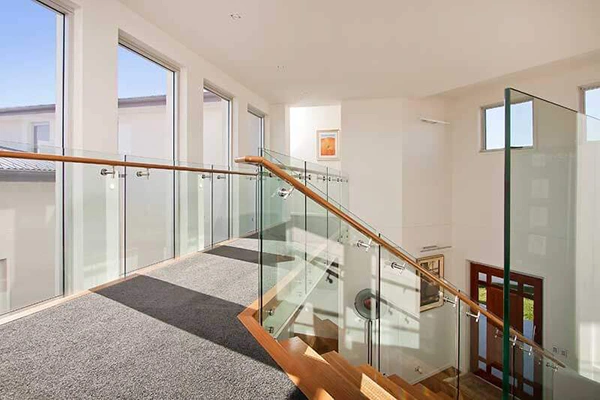
The cost of a glass balustrade is influenced by several technical and design-related factors, and understanding these elements helps you plan your budget more accurately. Below are the most important aspects that determine the final price of your project.
One of the biggest cost drivers is the type of system you choose. Framed systems are generally more budget-friendly as they use additional structural elements for support.
On the other hand, Frameless Glass Balustrades offer a clean, minimal aesthetic but require thicker glass and more precise engineering, which increases both material and installation costs.
Glass quality has a direct impact on pricing. Standard toughened glass is more affordable, while laminated or low-iron glass increases cost due to enhanced safety and clarity.
Thicker panels are also required for certain applications, especially in frameless systems, which further raises the overall price.
The way a balustrade is fixed plays a major role in both cost and design.
Top-mounted systems are typically simpler and more cost-efficient, while Side Fixing Points Glass Balustrade systems require more structural precision and specialist installation, making them more expensive but visually more refined.
Design complexity also affects pricing. A straight layout such as Glass Balustrade Post System – Square systems is usually more cost-effective due to simpler fabrication and installation.
In contrast, curved or circular designs like Glass Balustrade Post System – Round require custom manufacturing and additional labour, which increases the overall cost.
Naturally, larger installations require more materials and labour, which increases the total project cost. However, larger projects may sometimes benefit from slightly reduced cost per metre due to economies of scale.
Site conditions can significantly influence pricing. Easy-access locations with straightforward installation requirements are more affordable, while restricted access, height challenges, or structural modifications can increase labour time and cost.
When comparing glass balustrade systems, one of the most important cost considerations is whether you choose a framed or frameless design. The difference between these two options is not only visual but also structural, which directly affects pricing.
Framed glass balustrades are generally more affordable because they use supporting posts or metal frames to hold the glass panels in place. This reduces the structural demands on the glass itself and simplifies the installation process.
In contrast, Frameless Balustrades sit at the higher end of the price range. These systems rely on thicker, specially engineered glass that is fixed directly to the base or structure without visible framing. The result is a seamless, modern appearance, but it requires more precise manufacturing and expert installation, which increases overall cost.
From a budget perspective, framed systems are often chosen for practicality and cost efficiency, while frameless systems are selected for premium aesthetics and architectural impact.
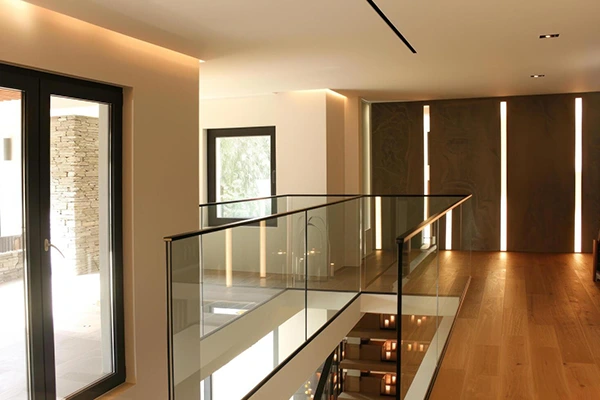
The cost of a glass balustrade is most commonly calculated per metre, which helps provide a clearer estimate for planning and budgeting. However, this price can vary significantly depending on the system type, glass specification, and installation requirements.
On average, basic glass balustrade systems in the UK start from a lower price per metre, while more advanced and bespoke designs can increase substantially in cost. For example, simple framed systems are generally more affordable, whereas premium solutions such as Frameless Balustrades fall into a higher price bracket due to structural glass requirements and specialist installation.
Design choices also play an important role. Straight layouts are typically more cost-effective, while custom shapes or systems like Glass Balustrade Round require additional fabrication and labour. Similarly, detailed structural approaches such as Glass Balustrade square installations may vary depending on fixing methods and site conditions.
Ultimately, the cost per metre should always be treated as an estimate, as every project is unique and influenced by both technical and architectural factors.
When budgeting for a glass balustrade, it’s important to consider not only the cost per metre but also the additional expenses that can affect the total project price.
One of the most common extra costs comes from structural preparation. In some cases, the installation area may require reinforcement or modification before the balustrade system can be fitted safely. This is especially relevant for more complex systems such as Frameless Balustrades, where precise structural support is essential.
Transportation and delivery can also add to the overall cost, particularly for large or custom-made glass panels. These elements are often heavy and require careful handling, which increases logistics expenses.
Another factor is the fixing method. Systems using Side Fixing Points Glass Balustrade may involve more specialised hardware and labour, which can raise installation costs compared to standard top-mounted systems.
Finally, project access plays a role as well. Difficult-to-reach areas such as rooftops, balconies at height, or restricted construction sites may require additional equipment or labour time, increasing the final price.
Understanding these potential extras helps avoid unexpected costs and ensures a more accurate project budget from the beginning.
A glass balustrade is often considered a premium investment, but for many projects, it delivers strong long-term value both aesthetically and functionally.
From a design perspective, glass balustrades create a clean, modern appearance that enhances almost any architectural style. They also improve natural light flow, making spaces feel more open and visually larger, which is especially valuable in residential and commercial properties.
In terms of durability, high-quality systems—whether framed or Frameless Balustrades—are designed to withstand weather conditions and long-term use with minimal maintenance. This makes them a practical choice as well as a visual upgrade.
Cost-wise, while the initial investment may be higher compared to traditional railing systems, the added property value, visual impact, and longevity often justify the expense. This is particularly true for well-designed installations such as Glass Balustrade square or curved Glass Balustrade Round systems, which can significantly elevate the overall look of a space.
Ultimately, whether it is worth the cost depends on your priorities—if design quality, durability, and property value matter, a glass balustrade is usually a strong long-term investment.
Understanding the cost of a glass balustrade is not just about looking at a price per metre—it’s about recognising what truly drives value in your project. Factors such as system type, glass specification, fixing method, and installation complexity all play a key role in determining the final investment.
Whether you’re considering a clean modern Glass Balustrade square layout, a more decorative Glass Balustrade Round design, or a premium Frameless Balustrades system, each option comes with its own balance of aesthetics, performance, and cost.
For projects that require precise engineering and a seamless finish, solutions like Side Fixing Points Glass Balustrade can offer both structural strength and a minimalist look, but should always be planned with expert guidance to ensure safety and compliance.
Ultimately, choosing the right system is about balancing budget, design vision, and long-term durability.
Every project is different, and the most accurate way to understand your glass balustrade cost is through a tailored quotation based on your specific requirements. If you’re planning a new installation or upgrading an existing space, our team at SM Glass Tech can help you design and supply a solution that fits both your budget and your architectural goals.


Send us your contact details and a specialist will get in touch with you.